Mo’s story
I didn’t build Pipling from a perfect garden.
I built it while trying, failing, learning, recovering, and finding my way back to a relationship with plants that began long before I understood its importance.
A return, not a straight line.
My agricultural roots reach much further back than my formal studies. I grew up between city life and my grandparents’ farms, surrounded by vineyards, wheat, animals, water schedules, fresh bread, and relatives who taught me to respect wildlife.
I later studied agronomy with a minor focus in crop improvement, mostly because it solved a practical problem at the time. I did the bare minimum to pass, built a career as a software engineer and engineering leader in Silicon Valley, and never expected agriculture to become part of my future.
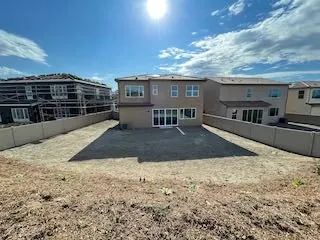
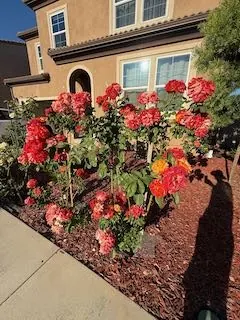
The garden that changed the direction.
When I returned to gardening decades later, I did not return as an expert. I returned with depression, anxiety, ADHD that had not yet been diagnosed, an unfinished yard, and a rose garden that somehow took two months.
I lost tools, started new jobs before finishing old ones, watered inconsistently, made expensive mistakes, and often treated a setback as evidence that I was failing. The garden did not treat me that way. Plants waited, changed, recovered, and sometimes surprised me.
Building the rose garden eventually helped lead me to an adult ADHD diagnosis. It also gave me a place to be curious again and helped me see that many tools built to improve productivity can quietly turn care into another source of shame.
Why Pipling exists.
I needed a patient companion that could understand my actual garden, notice the conditions and changes I overlooked, and help me choose one useful next step without keeping score of everything I missed.
Pipling began there, but the mission is larger than one app or one garden. It is about helping more people find belonging, capability, curiosity, and connection through the living world.
Continue to The Pipling Project →